by Orijen
ALS
Regular
FEDIAF

Orijen

Original Cat (ALS)

ALS
Regular
FEDIAF
FEDIAF adequacy statement provided by the manufacturer
1

First Ingredient

Animal Protein

Flavor

Chicken

Cat Food Central Quality Score: 100 out of 100
4.4K views
4.7
(3662 reviews)

Available sizes

1.8 kg
4 lb
5.4 kg
11.9 lb

Summary

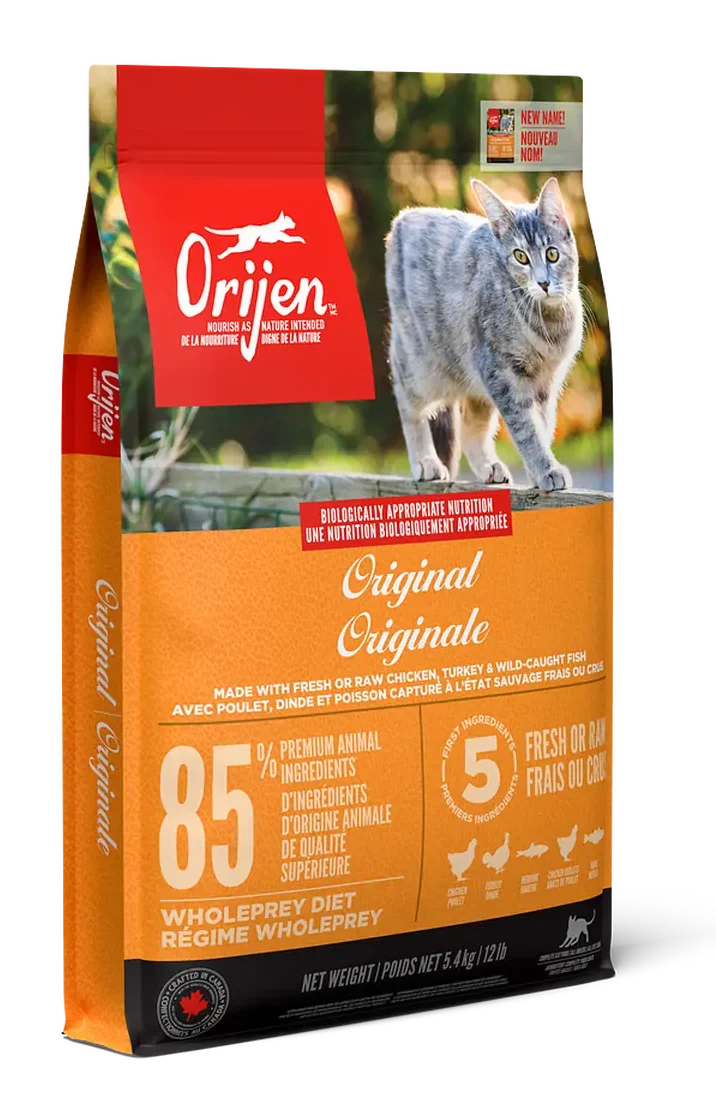
Orijen Original Cat is a biologically appropriate dry food designed for cats of all breeds and life stages, prioritizing high protein and fat content to support peak health.
The formula contains 85% poultry and fish ingredients, including fresh chicken (20%), raw turkey (10%), and raw whole herring (9%), offering a rich source of high-quality animal protein.
WholePrey ingredients, such as organs, bone, and fresh giblets, mimic the natural feline diet for comprehensive nutrition.
Freeze-dried liver coating enhances palatability, making the kibble irresistible to cats while preserving the integrity of the raw flavor.
The recipe includes pollock oil, fresh fruits, vegetables, and herbs, providing omega fatty acids, antioxidants, and natural fiber for skin health, immunity, and digestion.
With 39% protein and 43% fat, this nutrient-dense food meets the needs of active cats, supporting muscle maintenance, energy, and overall vitality.
Crafted in Canada, the food uses fresh and raw ingredients, preserved at peak freshness through refrigeration and freezing.

Pros
Expand All
1

High-quality animal protein

85% poultry and fish ingredients provide essential amino acids for muscle maintenance and overall health.
2

WholePrey approach

Includes nutrient-dense organs and bone for balanced nutrition.
3

Skin and coat health

Omega fatty acids from pollock oil and fish ingredients promote a glossy coat and healthy skin.
4

Digestive support

Chicory root and diverse fibers aid in digestion and improve gut health.
5

Low carbohydrate content

Only 18% of calories come from carbohydrates, aligning with natural feline dietary needs.
Cons
Expand All
1

High fat-calorie distribution

With 43% of calories coming from fat, careful portion control is essential for less active or indoor cats to maintain a healthy weight.
2

Potential allergen exposure

Multiple protein sources, including chicken, turkey, and fish, may not suit cats with sensitivities or allergies.
3

Intense flavor profile

The strong aroma from the fish and freeze-dried liver may not appeal to all cat owners during feeding or storage.

Nutrition

Ingredients

  • Fresh chicken 20%
  • Raw turkey 10%
  • Raw whole herring 9%
  • Fresh chicken giblets (liver, heart) 6%
  • Raw whole hake 5%
  • Raw turkey liver 5%
  • Fresh eggs 5%
  • Dehydrated chicken 4%
  • Dehydrated turkey 4%
  • Dehydrated mackerel 4%
  • and also:
Dehydrated sardine (4%), dehydrated herring (4%), chicken fat (4%), whole red lentils, whole peas, whole green lentils, whole chickpeas, lentil fibre, whole pinto beans, pea starch, whole navy beans, pollock oil (1%), dried kelp, fresh whole pumpkin, fresh whole butternut squash, fresh whole zucchini, fresh whole carrots, fresh whole apples, fresh whole pears, dried chicory root, fresh kale, fresh spinach, fresh beet greens, fresh turnip greens, whole cranberries, whole blueberries, whole saskatoon berries, turmeric, milk thistle, burdock root, lavender, marshmallow root, rosehips

Vitamins and Additives

  • Vitamin A 3750 IU
  • Vitamin B1 12.5 mg/kg
  • Vitamin B2 10 mg/kg
  • Vitamin B3 50 mg/kg
  • Vitamin B5 8 mg/kg
  • Vitamin B6 6.5 mg/kg
  • Vitamin B7 0.13 mg/kg
  • Vitamin B9 0.75 mg/kg
  • Vitamin B12 0.1 mg/kg
  • Vitamin C 0.15 mg/kg
  • Vitamin D3 500 IU
  • Vitamin E 290 IU
  • Vitamin K3 0.5 mg/kg
  • and also:
Tocopherol extracts from vegetable oils: 121mg, citric acid: 40mg.

Sensory additives: Rosemary extract: 80mg Nutritional additives: Choline chloride (choline): 1190 mg, Zinc proteinate: 105 mg, Copper proteinate: 11 mg.

Zootechnical additives: Enterococcus faecium DSM 10663/ NCIMB 10415 1x10⁹ CFU.

Guaranteed Analysis

Crude Protein
40%
Crude Fat
20%
Crude Fiber
3%
Moisture
10%
Crude Ash
8%
Calcium
1.4%
Phosphorus
1.1%
Magnesium
0.1%
Omega 3
1%
Omega 6
3.1%
Metabolizable Energy
4160 kcal/kg
Taurine (min) (0.2%), DHA (min) (0.3%), EPA (min) (0.2%)

Notes

The score is calculated after relocating fresh meat or fish ingredient(s), as explained in Rule 7: Quality and Location Impact of Meat Ingredients

Guaranteed Analysis

Crude Protein
40%
Crude Fat
20%
Crude Fiber
3%
Moisture
10%
Crude Ash
8%
Calcium
1.4%
Phosphorus
1.1%
Magnesium
0.1%
Omega 3
1%
Omega 6
3.1%
Metabolizable Energy
4160 kcal/kg
Taurine (min) (0.2%), DHA (min) (0.3%), EPA (min) (0.2%)
Last reviewed:
We use advanced automated tools to verify and update this product’s details with the most current manufacturer information.
View the product change history.

Rating

4.7
3662 reviews
5
3128
4
260
3
83
2
62
1
129

More products from Orijen

ALS Regular
Orijen: Regional Red™ (US)
90
Orijen
Regional Red™ (US)
Key nutritional info
Crude Protein
40%
Crude Fat
20%
Crude Fiber
3%
Carbohydrates
20.00%
Metabolizable Energy
4028 kcal/kg
Orijen: Regional Red™ (US)
Regional Red™ (US)
Orijen
90
Animal Protein
Beef
ALS
Regular
40%
20%
3%
No
Adult Sterilised
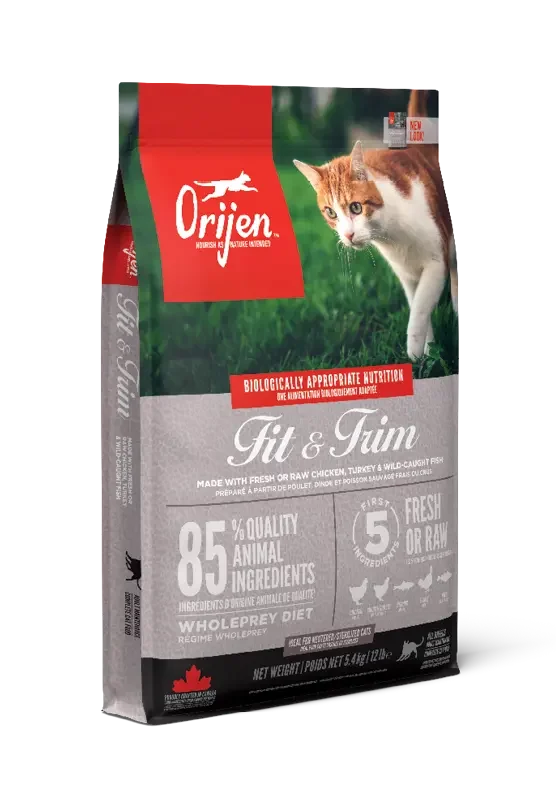
Orijen: Fit & Trim (EMEA)
100
Orijen
Fit & Trim (EMEA)
Key nutritional info
Crude Protein
42%
Crude Fat
15%
Crude Fiber
6%
Carbohydrates
17.00%
Metabolizable Energy
3571 kcal/kg
Orijen: Fit & Trim (EMEA)
Fit & Trim (EMEA)
Orijen
100
Animal Protein
Chicken
Adult
Sterilised
42%
15%
6%
No
ALS Regular
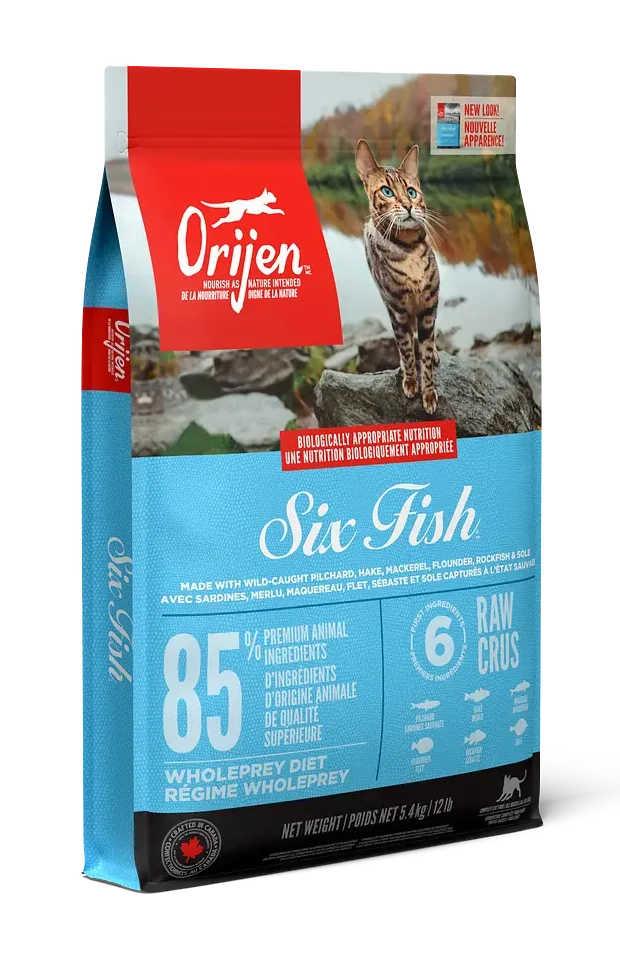
Orijen: Six Fish (6 Fish)
96
Orijen
Six Fish (6 Fish)
Key nutritional info
Crude Protein
40%
Crude Fat
19%
Crude Fiber
3%
Carbohydrates
19.00%
Metabolizable Energy
3913 kcal/kg
Orijen: Six Fish (6 Fish)
Six Fish (6 Fish)
Orijen
96
Animal Protein
Fish: Herring
ALS
Regular
40%
19%
3%
No
Adult Regular
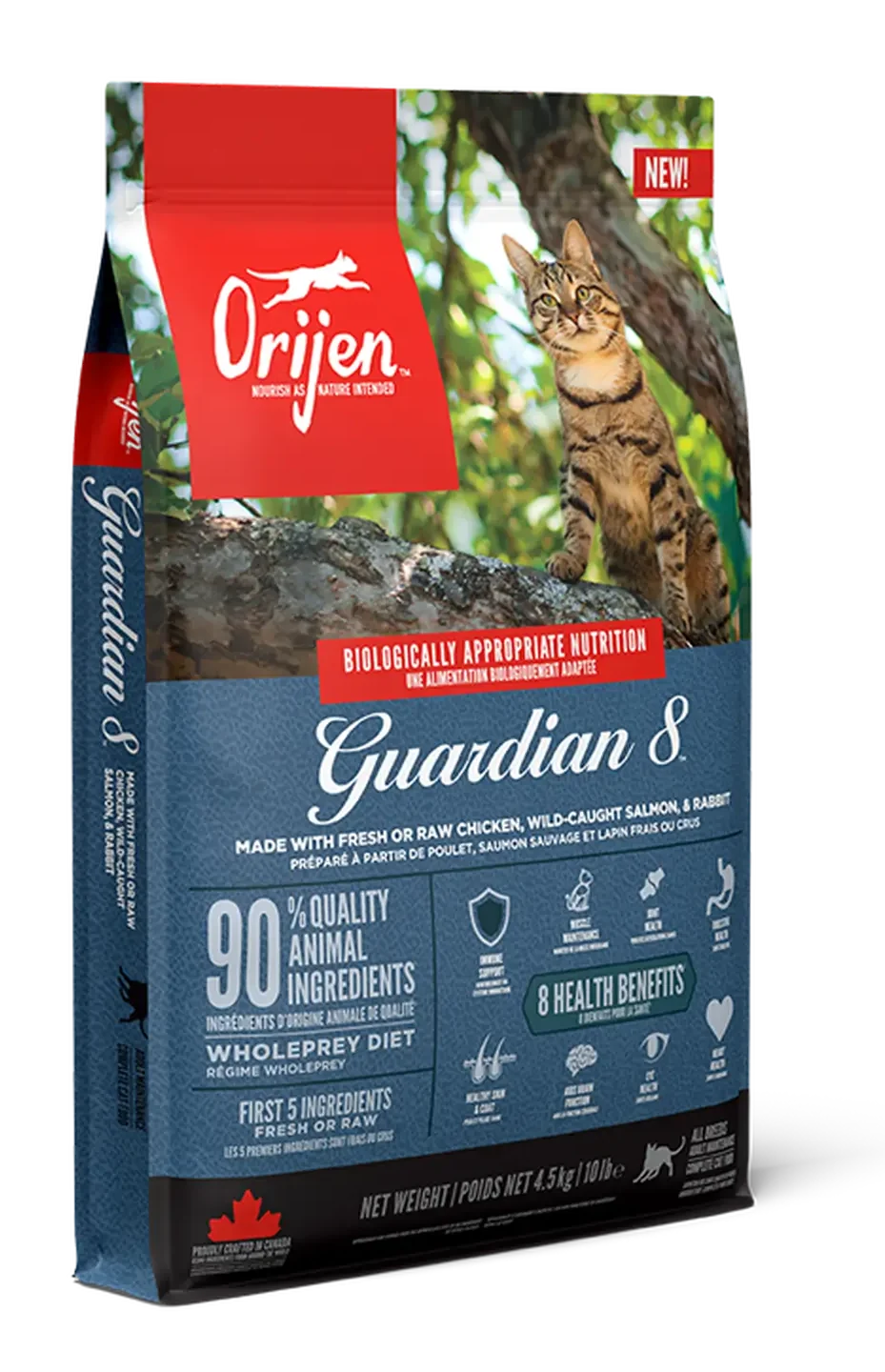
Orijen: Guardian 8
98
Orijen
Guardian 8 (CA)
Key nutritional info
Crude Protein
40%
Crude Fat
18%
Crude Fiber
4%
Carbohydrates
19.00%
Metabolizable Energy
3820 kcal/kg
Orijen: Guardian 8
Guardian 8 (CA)
Orijen
98
Animal Protein
Chicken
Adult
Regular
40%
18%
4%
No
Kitten Regular
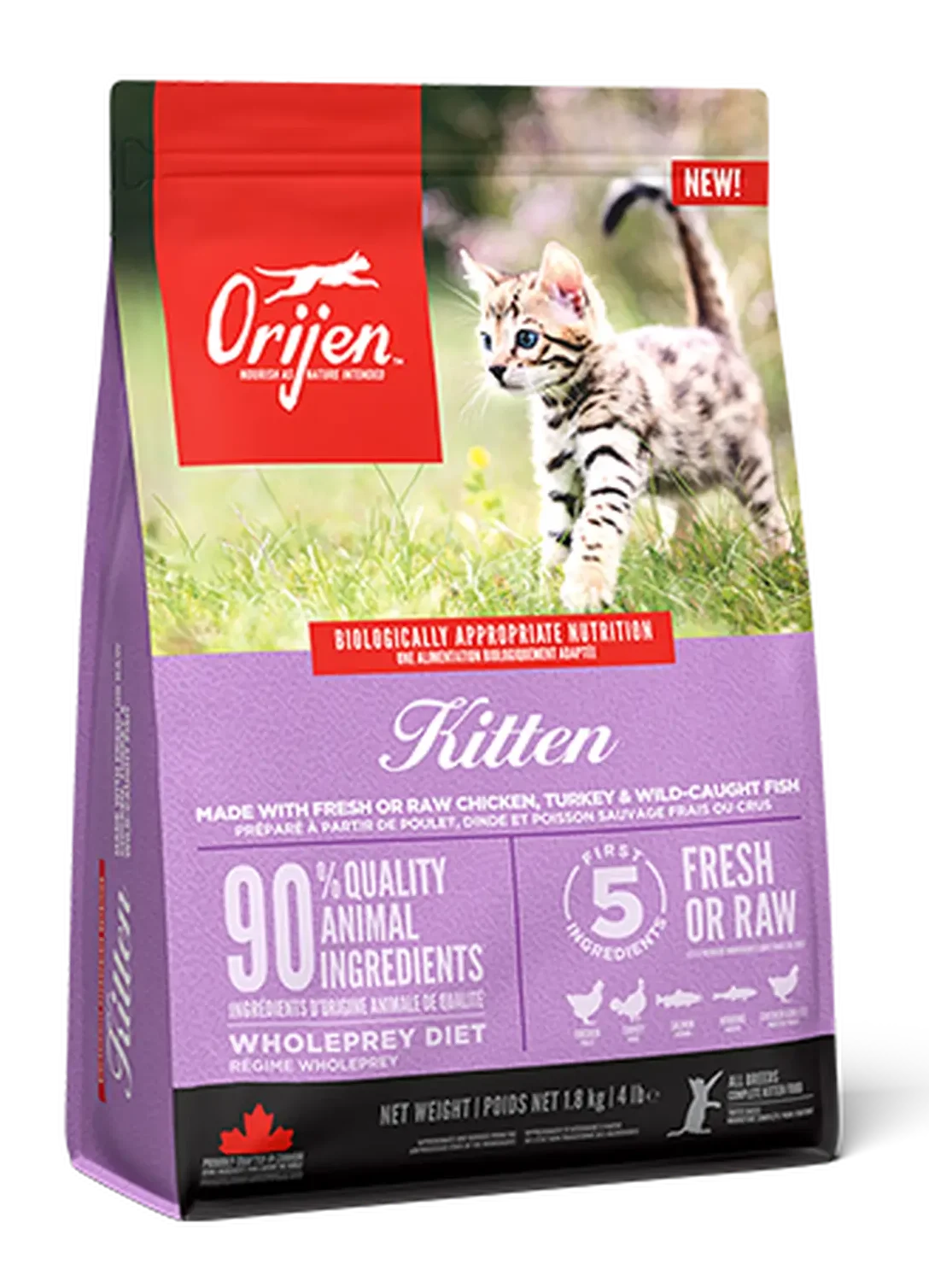
Orijen: Kitten
99
Orijen
Kitten (CA)
Key nutritional info
Crude Protein
40%
Crude Fat
20%
Crude Fiber
3%
Carbohydrates
18.00%
Metabolizable Energy
3958 kcal/kg
Orijen: Kitten
Kitten (CA)
Orijen
99
Animal Protein
Chicken
Kitten
Regular
40%
20%
3%
No

Alternative Products

The alternative products listed here are selected based on their similarity to the product you're viewing.
We compare key factors such as overall score, life stage, and category, along with core nutritional values like protein, fat, fiber, and metabolizable energy.
While not identical, these products fall within a defined range to offer nutritionally comparable options.
ALS Regular
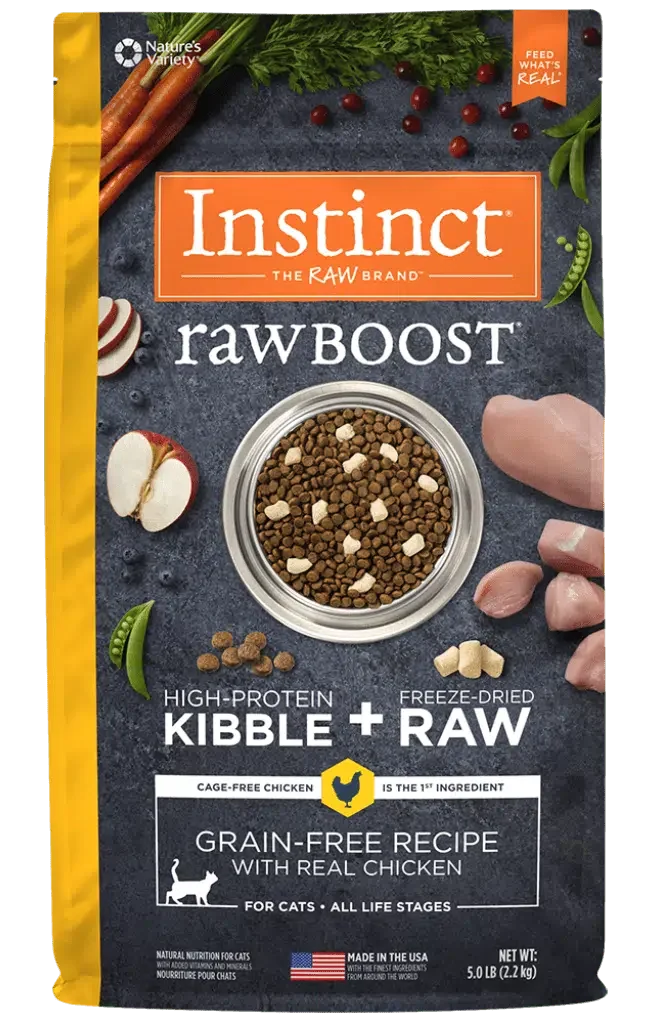
Nature’s Variety Instinct: Raw Boost Real Chicken Recipe (ALS)
98
Nature’s Variety Instinct
Raw Boost Real Chicken Recipe (ALS)
Key nutritional info
Crude Protein
41%
Crude Fat
22%
Crude Fiber
3.5%
Carbohydrates
12.50%
Metabolizable Energy
3962 kcal/kg
Nature’s Variety Instinct: Raw Boost Real Chicken Recipe (ALS)
Raw Boost Real Chicken Recipe (ALS)
Nature’s Variety Instinct
98
Animal Protein
Chicken
ALS
Regular
41%
22%
3.5%
No
ALS Regular
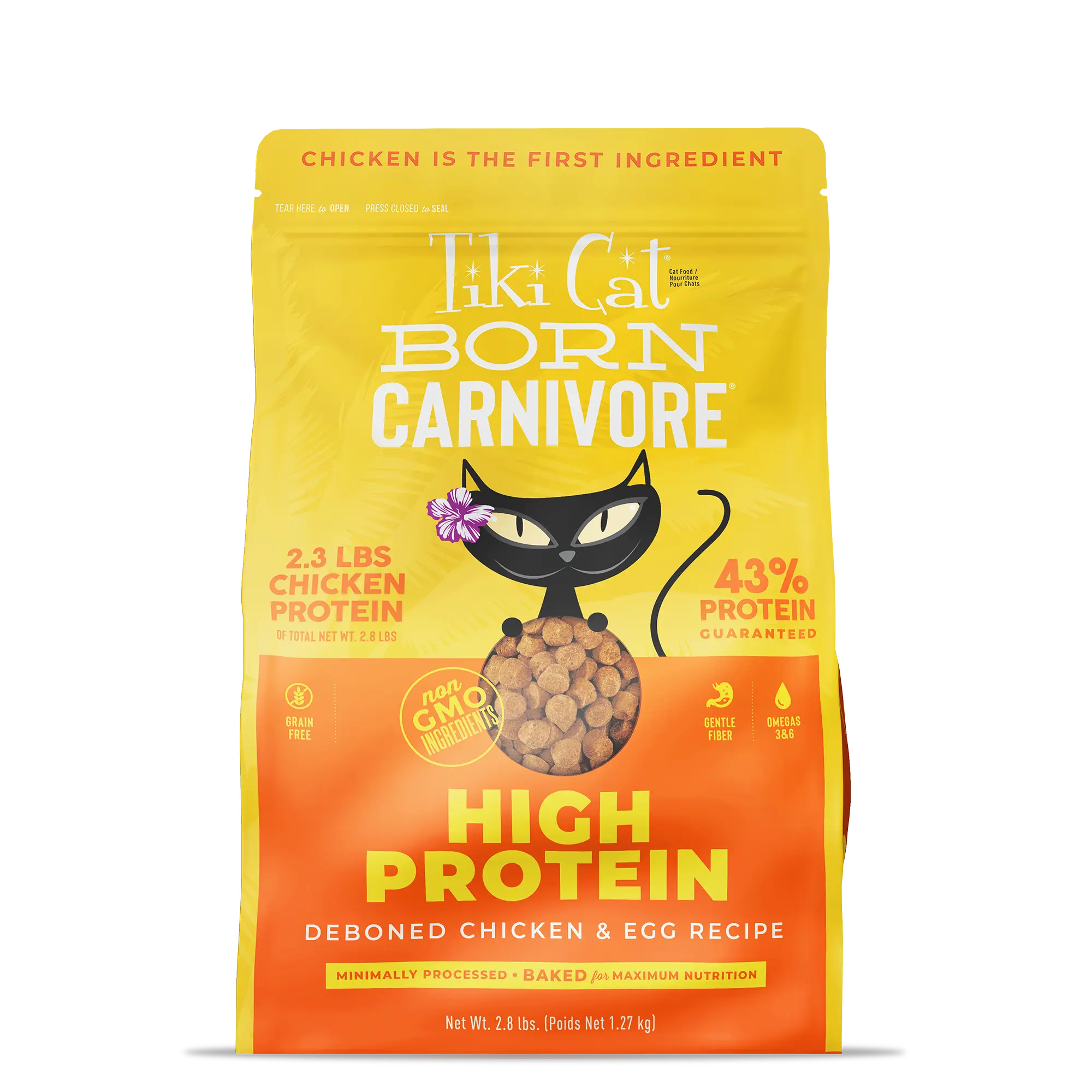
Tiki Cat: Born Carnivore® - High Protein: Deboned Chicken & Egg Recipe
98
Tiki Cat
Born Carnivore® - High Protein: Deboned Chicken & Egg Recipe
Key nutritional info
Crude Protein
43%
Crude Fat
19%
Crude Fiber
3.5%
Carbohydrates
17.50%
Metabolizable Energy
3976 kcal/kg
Tiki Cat: Born Carnivore® - High Protein: Deboned Chicken & Egg Recipe
Born Carnivore® - High Protein: Deboned Chicken & Egg Recipe
Tiki Cat
98
Animal Protein
Chicken
ALS
Regular
43%
19%
3.5%
No
ALS Regular
Oven Baked Tradition: Cat Food Prepared With Fresh Chicken, Fruit & Vegetables
96
Oven Baked Tradition
Cat Food Prepared With Fresh Chicken, Fruit & Vegetables
Key nutritional info
Crude Protein
42%
Crude Fat
20%
Crude Fiber
3.5%
Carbohydrates
17.50%
Metabolizable Energy
4015 kcal/kg
Oven Baked Tradition: Cat Food Prepared With Fresh Chicken, Fruit & Vegetables
Cat Food Prepared With Fresh Chicken, Fruit & Vegetables
Oven Baked Tradition
96
Animal Protein
Chicken
ALS
Regular
42%
20%
3.5%
No
ALS Regular
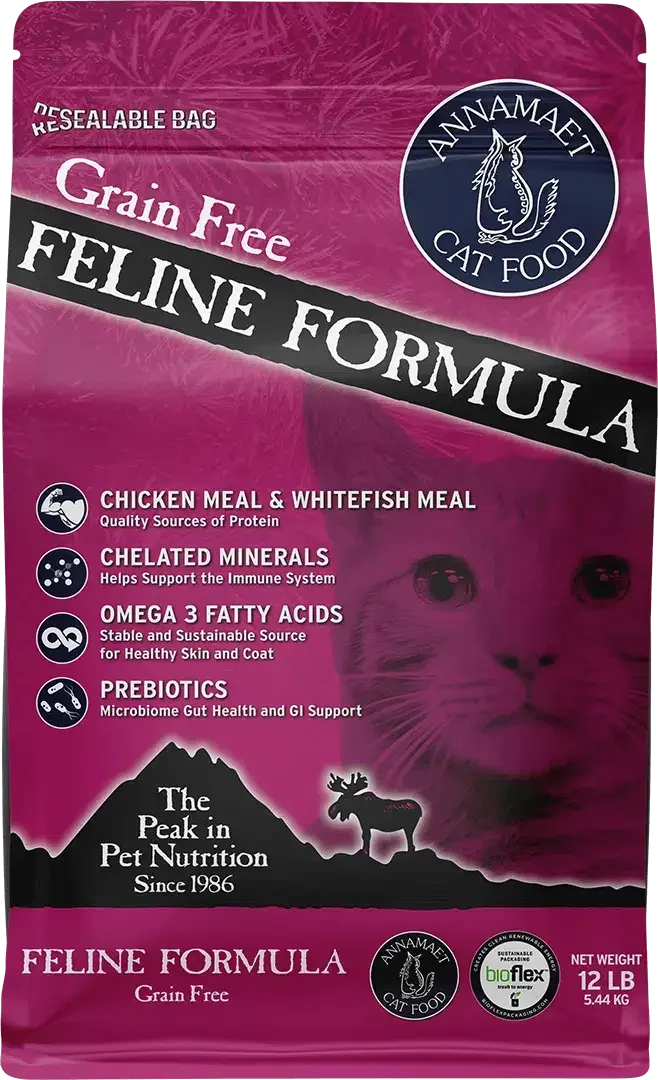
Annamaet: Grain Free Feline
95
Annamaet
Grain Free Feline
Key nutritional info
Crude Protein
44%
Crude Fat
20%
Crude Fiber
3%
Carbohydrates
15.51%
Metabolizable Energy
4034 kcal/kg
Annamaet: Grain Free Feline
Grain Free Feline
Annamaet
95
Animal Protein
Chicken
ALS
Regular
44%
20%
3%
No
ALS Regular
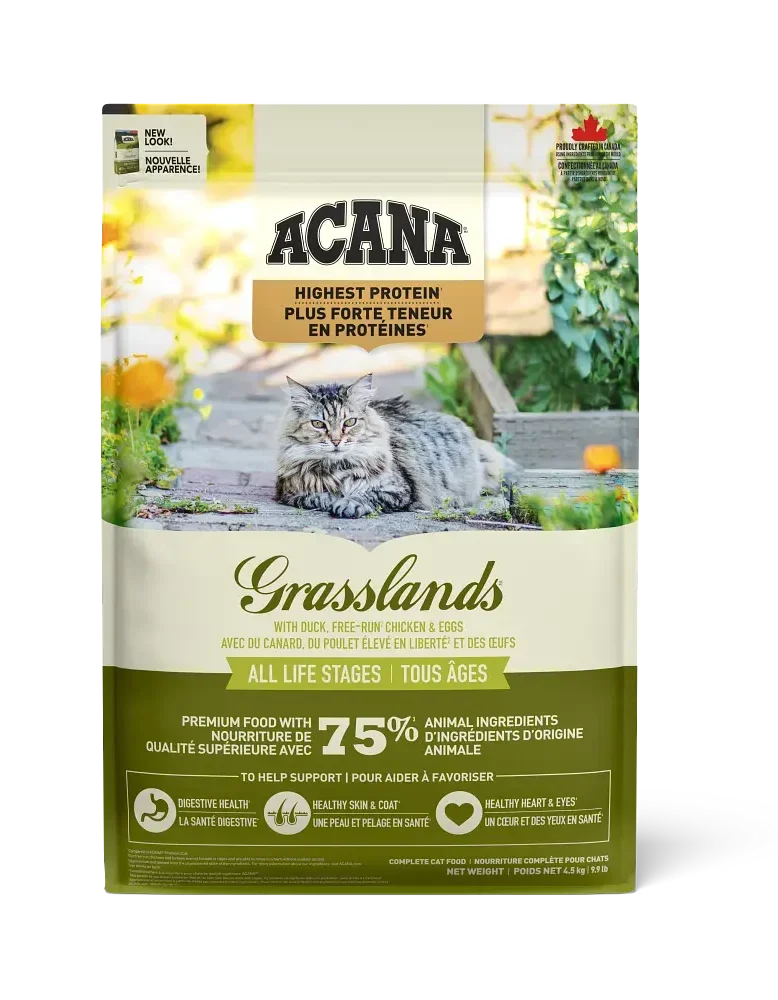
Acana: Highest Protein, Grasslands
93
Acana
Highest Protein, Grasslands (APAC)
Key nutritional info
Crude Protein
37%
Crude Fat
18%
Crude Fiber
3%
Carbohydrates
23.00%
Metabolizable Energy
3850 kcal/kg
Acana: Highest Protein, Grasslands
Highest Protein, Grasslands (APAC)
Acana
93
Animal Protein
Duck
ALS
Regular
37%
18%
3%
No
Product feedback

Found a mistake?
Missing info?

Provide as many details as possible about Orijen: Original Cat (ALS) so we can make it better!

How the score is calculated?

The actual calculation of the score is based on sophisticated and advanced algorithm that takes into account multiple parameters.

To simplify the explanation, the calculation is based on three main criteria:

(1) Amount of protein (more is better)

(2) Amount of carbohydrates (less is better)

(3) Quality and source of ingredients.

Based on that 3 main criteria, 9 score calculation rules are used to compare the different foods.

One major assumption is that the closer an ingredient is to the top of the ingredient list, the greater its relative weight and contribution to the food.

In general, cat food is composed of protein, fats, carbohydrates, fibers, vitamins, and minerals.

Protein is the most important component in a cat's diet, and cats primarily get their protein from animal meat.

Fat is a primary source of energy and essential fatty acids.

Carbohydrates are controversial in a cat's diet, as cats are obligate carnivores and typically consume very few carbohydrates.

Fibers play an important role in digestion and food absorption, and vitamins and minerals are essential for different organism functions.

Dry matter values are used to compare the amount of nutrients in different cat foods. This means that moisture is excluded from the equation to provide a more accurate comparison.

Putting all of these and more into a formula results in a product score.

The maximum score a cat food can receive is 100. Points are added or removed based on the score calculation rules.

Didn't find a dry food?

Provide as many details as you can so we can analyze the missing product and add it.

[quillforms id="14695" width="100%" min_height="500px" max_height="auto"]

[quillforms id="16530" width="100%" min_height="520px" max_height="auto"]

Before you dive in

Please read and confirm the statements below to continue.

By confirming, you agree to our Terms of Use and Privacy Policy.

We could not process your request. Please try again.
Check your inbox and click the link to join the waitlist.
Your cat details were updated
5 seconds
[quillforms id="16530" width="100%" min_height="520px" max_height="auto"]

Found a mistake?
Missing info?

Provide as many details as possible about Orijen: Original Cat (ALS) so we can make it better!

Thank you!

How the score is calculated?

The actual calculation of the score is based on sophisticated and advanced algorithm that takes into account multiple parameters.

To simplify the explanation, the calculation is based on three main criteria:

(1) Amount of protein (more is better)

(2) Amount of carbohydrates (less is better)

(3) Quality and source of ingredients.

Based on that 3 main criteria, 9 score calculation rules are used to compare the different foods.

One major assumption is that the closer an ingredient is to the top of the ingredient list, the greater its relative weight and contribution to the food.

In general, cat food is composed of protein, fats, carbohydrates, fibers, vitamins, and minerals.

Protein is the most important component in a cat’s diet, and cats primarily get their protein from animal meat.

Fat is a primary source of energy and essential fatty acids.

Carbohydrates are controversial in a cat’s diet, as cats are obligate carnivores and typically consume very few carbohydrates.

Fibers play an important role in digestion and food absorption, and vitamins and minerals are essential for different organism functions.

Dry matter values are used to compare the amount of nutrients in different cat foods.
This means that moisture is excluded from the equation to provide a more accurate comparison.

Putting all of these and more into a formula results in a product score.

The maximum score a cat food can receive is 100.
Points are added or removed based on the score calculation rules.